
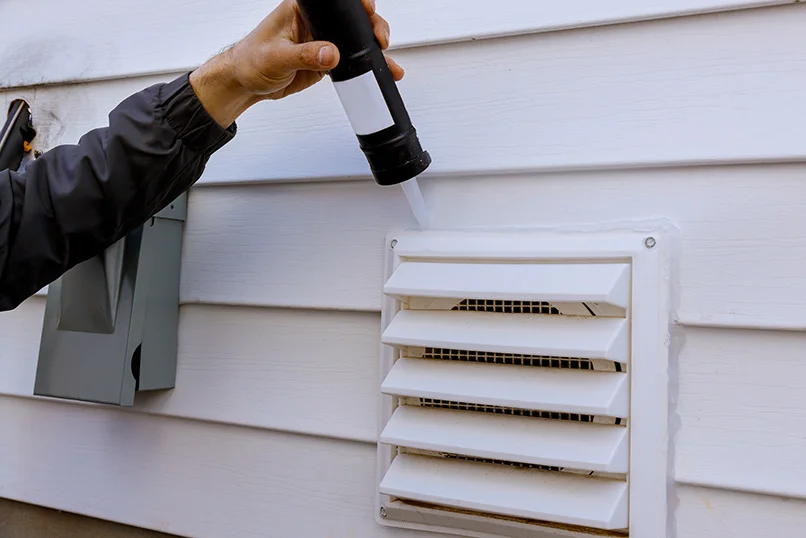
Late summer is when small home problems start showing up. Doors that worked fine in spring begin sticking. Gates sag after months of heat and soil movement. Exterior caulk cracks. Screens loosen. Hardware gets wobbly from daily use. None of these issues may feel urgent on their own, but they can become bigger problems once fall rain, cooler weather, and heavier indoor use arrive.
This guide answers a common homeowner question: which small repairs are worth fixing now to prevent costly fall damage? The goal is not to remodel your home in a weekend. It is to handle the simple repairs that protect your home, improve daily comfort, and keep small annoyances from turning into expensive projects.
Start With Doors That Stick, Drag, or Do Not Latch Cleanly
Door alignment is one of the most common late-summer issues in Central Texas. Heat, humidity, foundation movement, and daily use can all affect how doors sit in the frame. A door that rubs at the top, drags on the threshold, or has to be pulled hard to latch is telling you something has shifted.
Start with the basics. Check whether hinge screws are loose. A few tightened screws can sometimes bring the door back into alignment. Look at the strike plate to see whether the latch is hitting high, low, or off to the side. If the door sweep is torn or dragging, replacing it can improve both function and weather sealing.
Exterior doors matter most because poor alignment can let in moisture, pests, dust, and hot air. If you can see daylight around the door or feel air movement, the seal is not doing its job. Fixing that before fall helps your home stay more comfortable and reduces the chance of water intrusion during storms.
Interior doors are worth checking too. Bathroom doors, bedroom doors, pantry doors, and laundry room doors see a lot of daily use. Small adjustments now can prevent damaged trim, worn hinges, and frustration later.
Reset Gates and Fence Hardware Before They Get Worse
Late summer is hard on gates. Soil shifts, posts move, hinges loosen, and latches stop lining up. A sagging gate is not just annoying. It can stress the fence, damage hardware, and create safety concerns for kids and pets.
Walk your gates and check how they open and close. A gate should swing smoothly without dragging the ground. The latch should line up without lifting or forcing the gate into place. If you have to slam it, lift it, or kick it closed, it needs attention.
Common repairs include tightening or replacing hinge screws, adjusting the latch, adding better hardware, or rehanging the gate so the weight is supported correctly. If the post itself is loose or leaning, the problem may be deeper than the latch. Waiting usually makes the repair more expensive because the gate continues pulling on the fence every time it is used.
This is also a good time to check fence pickets, rails, and hardware near the gate. The gate is often where fence problems start because it is the moving part of the system.
Re-Caulk Wet Areas Before Water Finds a Path
Caulk does not last forever, especially in wet or high-use areas. Late summer is a smart time to check bathrooms, kitchens, laundry rooms, and exterior joints before fall weather brings more moisture.
Inside, look around tubs, showers, sinks, backsplashes, toilets, and laundry connections. Cracked, missing, or separated caulk can let water get behind surfaces where it causes swelling, staining, mildew, or hidden damage. Re-caulking is one of the most affordable ways to prevent water problems.
The key is preparation. New caulk should not simply be smeared over old failed caulk. Loose material needs to be removed, the area should be cleaned and dried, and the right type of caulk should be used for the location. Wet areas need products designed for bathrooms and kitchens, not basic painter’s caulk.
Outside, check where trim meets siding, around door frames, around window trim, and at small gaps where water can enter. Exterior caulk failures often start small, but once water gets behind trim, rot can spread. If the trim is already soft, swollen, or dark-stained, caulk alone is not enough. The damaged material may need to be repaired or replaced first.
Fix Screens Before Cooler Weather Arrives
Screens become more valuable as the weather cools. Once fall evenings arrive, homeowners want to open windows and let fresh air in without bugs. Late summer is the right time to repair torn mesh, loose spline, bent frames, and sticky screen doors.
Start with the windows you actually use. A torn screen in a room you never open can wait. A torn screen in a bedroom, kitchen, or living room will become frustrating as soon as the weather improves. If the screen frame is bent, it may not sit tightly in the window, which allows insects in even if the mesh is intact.
Screen doors need attention too. If a sliding screen door drags, jumps the track, or will not latch, it may need roller adjustment, track cleaning, or hardware replacement. If a hinged screen door slams, sticks, or has torn weatherstripping, it can be repaired before it damages the frame.
These are small fixes, but they make the home feel more comfortable when fall arrives.
Tighten the Hardware You Use Every Day
Daily-use hardware takes a beating. By late summer, small loose items around the home can become obvious. Cabinet pulls spin. Towel bars wiggle. Door handles loosen. Closet rods sag. Shelves pull away from the wall. These repairs are easy to ignore until something falls, bends, or damages the wall.
Do a quick room-by-room check. Open and close doors. Pull lightly on towel bars, handrails, hooks, and shelves. Check cabinet hinges and drawer slides. Look at closet rods and pantry shelving, especially in kids’ rooms and high-use storage areas.
The goal is to catch movement early. A loose towel bar may only need better anchors today. If ignored, it can tear drywall and require patching, texture, and paint. A loose handrail may need longer fasteners into solid framing. If ignored, it becomes a safety issue.
For anything that holds real weight, anchoring matters. Hooks, shelves, handrails, and closet systems should be secured properly, ideally into studs or solid backing when needed. Drywall anchors have limits, and using the wrong one is a common reason repairs fail.
Look for Small Signs of Water, Movement, and Wear
Late-summer repairs are not only about what is broken. They are about spotting early warning signs before fall weather makes them worse.
Walk the outside of your home after a rain or after irrigation runs. Look for water pooling near patios, steps, doors, and low trim. Check whether sprinklers are hitting fences, gates, siding, or porch posts. Constant overspray shortens the life of paint, caulk, and wood.
Inside, look for swollen baseboards near bathrooms, soft drywall around tubs, stains under sinks, and doors that suddenly stick more than usual. None of these automatically means a major problem, but they are worth addressing before they spread.
Small repairs are usually cheaper when handled early. Once moisture gets behind trim or hardware pulls out of drywall, the project grows.
Quick Late-Summer Repair Checklist
- Tighten loose hinge screws and adjust doors that stick or drag.
- Replace worn door sweeps and weatherstripping where you see daylight.
- Reset sagging gates and repair latches before posts and rails are damaged.
- Remove failed caulk and re-caulk tubs, showers, sinks, and exterior joints.
- Repair torn screens and adjust sticky screen doors before fall.
- Tighten loose towel bars, hooks, handles, shelves, and handrails.
- Check for sprinkler overspray, pooling water, and soft or swollen trim.
Final Thoughts
Late summer is the right time to fix the small problems that summer heat and daily use leave behind. Door alignment, gate resets, fresh caulk, screen repairs, and loose hardware may not feel like major projects, but they protect your home before fall weather arrives. Handling them now helps prevent water damage, pest issues, damaged trim, and avoidable frustration.
If your late-summer repair list is starting to grow, A Team Home Services can help with door adjustments, gate repairs, re-caulking, screen fixes, hardware installation, and small repairs that keep your home ready for the next season.
Sign up for our newsletter to receive the most up to date home services information, coupons, specials, and more.
If you are ready to add or replace ceiling fans before the hottest part of summer, A Team Home Services can help with sizing, placement, fan-rated box installation, downrods, sloped ceiling adapters, and clean control setup so your rooms feel cooler and work better all season.